
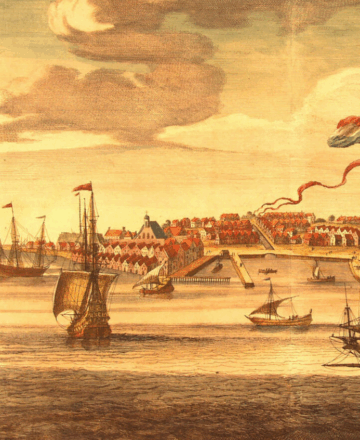
An Introduction to New Netherland for Students
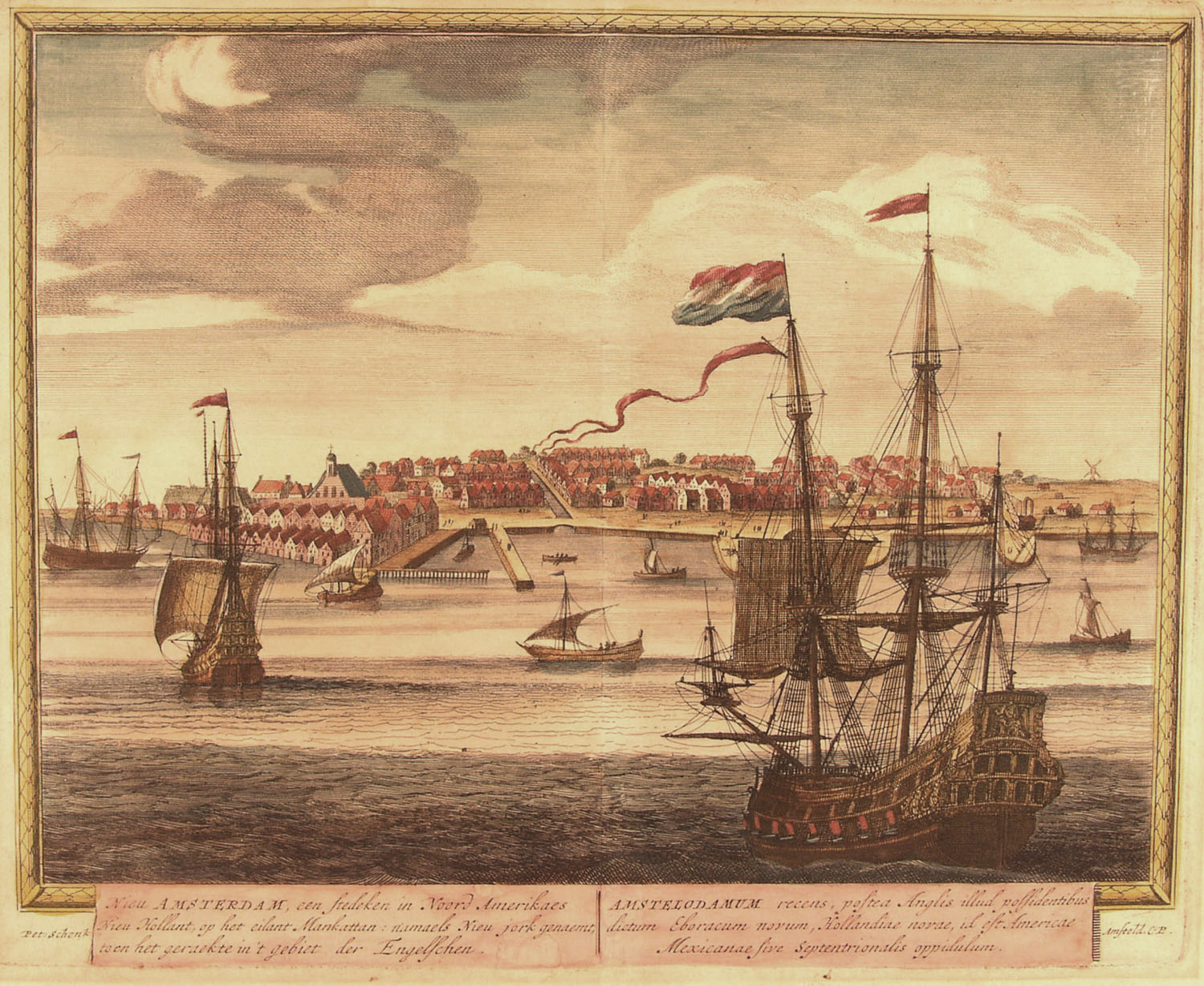
All students learn about the Pilgrims at Plymouth and the colony of Jamestown, but far fewer know the story of New Netherland. First explored in 1609 by Henry Hudson—an Englishman sailing under the Dutch East India Company—the region soon drew traders eager for beaver pelts and other furs. By the 1620s and 1630s, farmers and craftsmen followed, bringing their families to settle in lands already home to an estimated 20,000 Native people. A decade before the Pilgrims arrived, the Dutch were building communities along the river that now bears Hudson’s name. Let’s travel back to the early 1600s and explore what life in New Netherland was like.
The School Master, by Dutch painter Adriaen van Ostade, 1662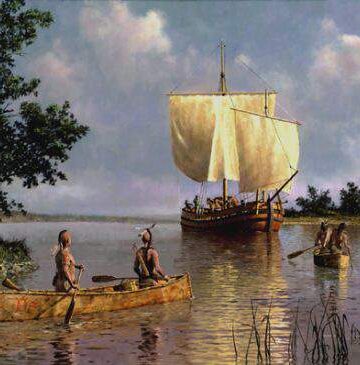
Students
The timeline section brings together three distinct narratives of New Netherland’s past. The Netherlands and Scandinavia in North America traces events from the earliest arrival of the Norsemen through the final departure of the Dutch, offering a broad chronological sweep in text form. The Historical Calendar highlights key dates in the Dutch world to commemorate throughout the year, from January’s signing of the Union of Utrecht to December’s celebration of Sinterklaas. Finally, the Timeline of the West India Company’s First Decade (1620–1630) focuses on the formative years of the Company, charting the development of New Netherland within the wider Atlantic World. Together, these three timelines provide multiple lenses through which to explore and remember the history of the Dutch in America.
Teachers
The history of New Netherland is as much the history of America's colonization and settlement as that of the Virginia and Massachusetts Bay colonies. Under Dutch rule, a distinctive culture of diversity, entrepreneurship, religious tolerance, and global engagement emerged in the region that is now New York, New Jersey, Delaware, and parts of Connecticut and Pennsylvania. These classroom tools and professional development opportunities are designed to help educators teach a topic too often overlooked.
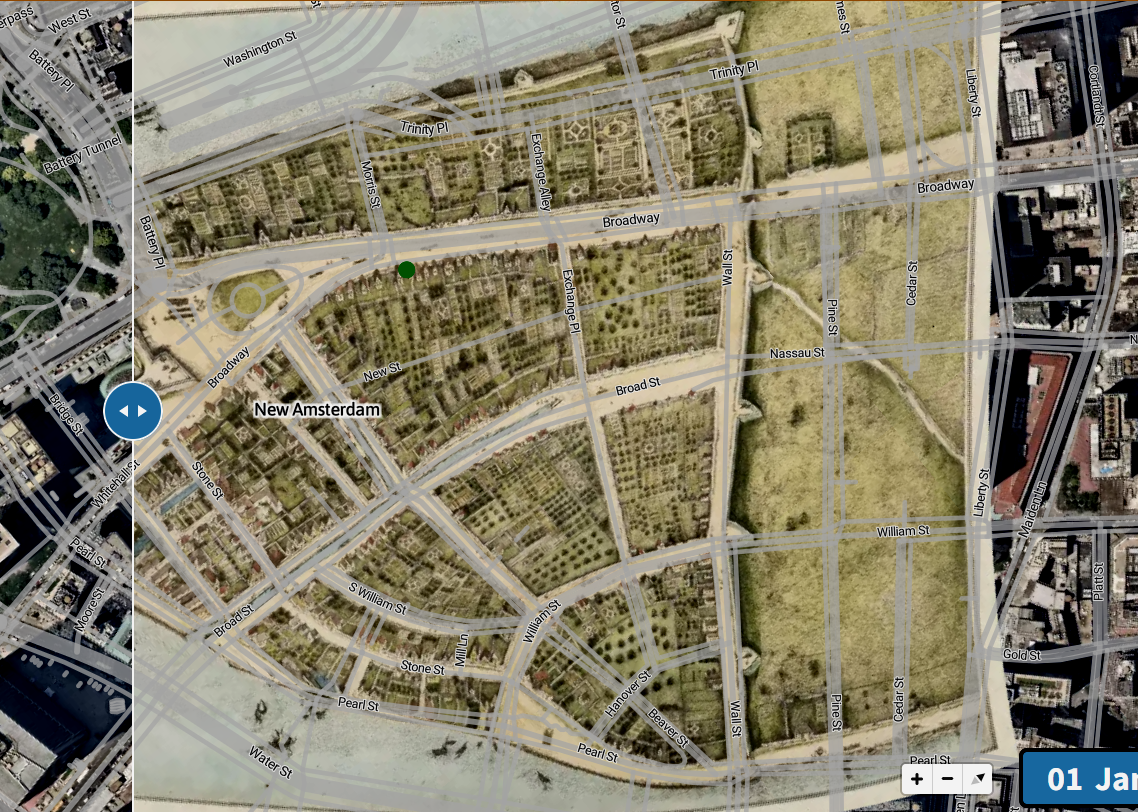
Maps
The timeline section brings together three distinct narratives of New Netherland’s past. The Netherlands and Scandinavia in North America traces events from the earliest arrival of the Norsemen through the final departure of the Dutch, offering a broad chronological sweep in text form. The Historical Calendar highlights key dates in the Dutch world to commemorate throughout the year, from January’s signing of the Union of Utrecht to December’s celebration of Sinterklaas. Finally, the Timeline of the West India Company’s First Decade (1620–1630) focuses on the formative years of the Company, charting the development of New Netherland within the wider Atlantic World. Together, these three timelines provide multiple lenses through which to explore and remember the history of the Dutch in America.